The 2026 Bugatti Tourbillon is one of the most talked-about vehicles in the world, marking a new chapter for Bugatti after the Chiron. It is a hybrid system hypercar that combines extreme performance with modern engineering. While Bugatti is not known for building a family car or a typical commuter vehicle, the Tourbillon represents how far automotive technology has advanced.
This review looks at the 2026 Bugatti Tourbillon in a clear, simple, and factual way. We will explain what it offers, where it excels, and where it falls short for daily use practicality. The goal is to help readers understand whether this car makes sense beyond headlines and speed figures, especially when compared to more realistic options like a mid-size sedan or crossover SUV.
Exterior Design & Styling
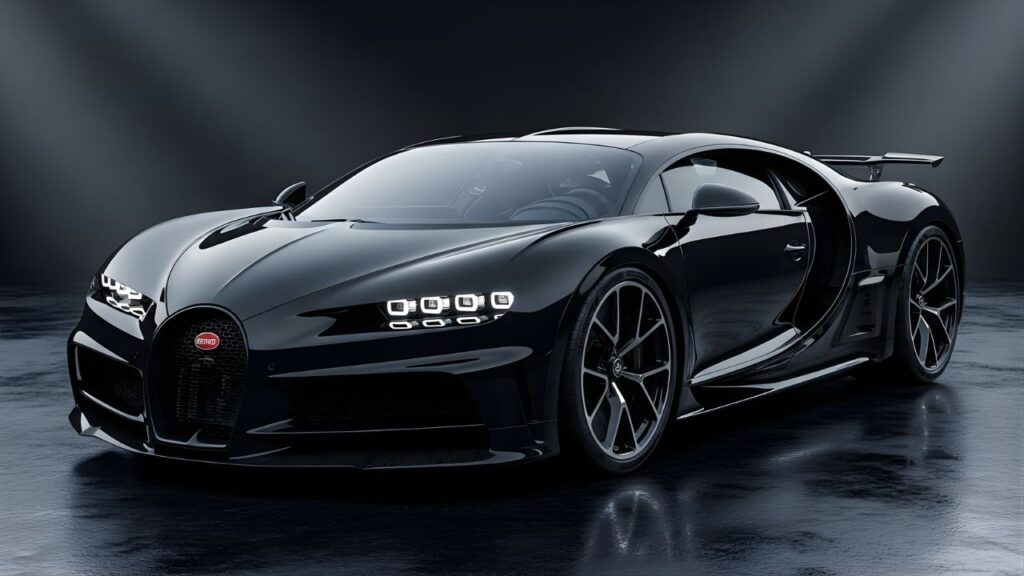
The Bugatti Tourbillon keeps the brand’s iconic design language while moving toward a more modern look. The front features the classic horseshoe grille, now sharper and more sculpted. Slim LED headlights and large air intakes give it a bold but controlled appearance.
From the side, the car looks low and wide, emphasizing its performance-focused shape. The flowing body lines are designed for aerodynamics, not decoration. Large wheels and a wide stance highlight its highway performance focus.
At the rear, the Tourbillon features a clean, futuristic design with a full-width lighting element. The overall modern design is eye-catching but not flashy. However, its low ground clearance and wide body make it impractical for rough roads or tight city spaces.
Interior & Cabin Space
Inside, the 2026 Bugatti Tourbillon focuses on craftsmanship and simplicity. The cabin uses premium materials like leather, metal, and carbon fiber. Everything feels solid and built for long-term durability rather than trends.
Cabin space is limited, as this is a two-seater vehicle. There is no spacious cabin like you would find in a family car or mid-size sedan. Storage space is minimal, making it unsuitable for grocery runs or family trips.
Driver comfort is excellent for short to medium drives. However, tall passengers may feel cramped, and entry and exit can be difficult. For daily use practicality, the interior design clearly prioritizes performance over comfort.
Engine & Performance
The Bugatti Tourbillon introduces a new hybrid system that combines a large V16 engine with electric motors. This setup replaces the older W16 engine used in previous models. The result is extremely high power output and smoother power delivery.
Acceleration is immediate, both in city driving and on highways. The electric motors help at low speeds, while the engine dominates at higher speeds. This makes the car responsive in almost any driving condition.
However, this level of performance is unnecessary for everyday commuting. Speed limits and traffic conditions prevent owners from using even a fraction of its capability. While impressive, the performance does not translate into real-world convenience.
Fuel Economy & Mileage
Despite using a hybrid system, the 2026 Bugatti Tourbillon is not a fuel-efficient car. The hybrid setup mainly improves performance and reduces emissions slightly, not fuel consumption. Real-world mileage remains very low compared to normal vehicles.
In city driving, fuel usage is high due to frequent stops and the car’s weight. On highways, efficiency improves slightly but still falls far behind a commuter vehicle or crossover SUV. Electric-only driving is extremely limited.
For buyers concerned about fuel costs, this car is not a sensible option. Maintenance costs and fuel expenses will be very high. From a long-term ownership perspective, fuel economy is one of its biggest weaknesses.
Technology & Features
The infotainment system in the Tourbillon is designed to last for decades. Bugatti uses physical controls and minimal screens to avoid outdated technology. This approach improves reliability over time.
Connectivity features are present but not excessive. Navigation, basic media controls, and vehicle settings are easy to use. The system is simple compared to modern family vehicles but intentional.
While technology quality is high, it lacks the convenience features found in more affordable cars. There are no rear screens, advanced voice assistants, or family-focused features. This limits its appeal as a daily use practicality vehicle.
Safety & Driver Assistance
The 2026 Bugatti Tourbillon includes basic advanced safety features such as traction control, stability control, and high-performance brakes. These systems are tuned for high-speed stability rather than everyday safety.
Driver assistance features like adaptive cruise control or lane-keeping assist are limited or absent. This is a major drawback when compared to modern family cars and mid-size sedans. Most competitors in lower price segments offer more safety technology.
Crash safety standards are high, but repair costs would be extreme. For family buyers prioritizing safety and peace of mind, the Tourbillon is not the best choice.
Driving Experience & Ride Quality
On smooth roads, the Bugatti Tourbillon delivers an incredibly stable and controlled ride. Steering is precise, and the car feels planted even at high speeds. Highway performance is one of its strongest areas.
In city driving, the experience is less enjoyable. The car feels wide, visibility is limited, and speed bumps are a challenge. Ride quality is firm, which can be uncomfortable on uneven roads.
Noise levels are well controlled inside the cabin. However, the overall driving experience requires constant attention. This makes it tiring for daily commuting compared to a fuel-efficient car designed for comfort.
Pricing & Trim Levels
The 2026 Bugatti Tourbillon comes with an extremely high price tag, placing it far beyond normal competitive pricing discussions. There are no traditional trim options like base or premium models. Customization is the main choice for buyers.
Each vehicle is built to order, which increases cost and wait time. Maintenance costs are also among the highest in the automotive world. Insurance and service access are limited.
For the same price, buyers could own multiple luxury crossover SUVs, sedans, and even electric vehicles. From a value perspective, the Tourbillon is not practical.
Competition & Rivals
The Tourbillon competes with other hypercars such as the Pagani Utopia and Koenigsegg models. These rivals also focus on extreme performance rather than everyday usability. A rivals comparison shows similar limitations across the segment.
None of these vehicles are suitable replacements for a family car or commuter vehicle. They lack cargo space, seating capacity, and fuel efficiency. In practical terms, they compete in a niche market.
Compared to luxury sedans or SUVs, the Tourbillon falls short in comfort, safety tech, and daily use practicality. Its appeal is emotional rather than logical.
Who Should Buy This
The 2026 Bugatti Tourbillon is designed for collectors and enthusiasts. Buyers who value engineering, exclusivity, and performance above all else will appreciate it. It is not built for families or regular commuting.
If your priority is driver comfort, low maintenance costs, and reliability, this is not the right vehicle. A mid-size sedan or crossover SUV would be far more suitable. Even luxury hybrids offer better balance.
This car makes sense as a secondary or third vehicle, not as a primary mode of transport. Long-term ownership costs are extremely high.
Final Verdict
The 2026 Bugatti Tourbillon is a technical masterpiece and a bold step forward for the brand. Its hybrid system, build quality, and performance set new benchmarks in the hypercar segment. However, those strengths do not translate into everyday usefulness.
For city driving, family needs, or commuting, it falls short in nearly every practical area. Fuel efficiency, cabin space, safety technology, and comfort are limited. Ownership costs are also very high.
As a piece of automotive engineering, the Tourbillon deserves respect. As a family car or commuter vehicle, it simply does not fit the role. Buyers should view it as an exclusive performance machine, not a practical solution for daily life.