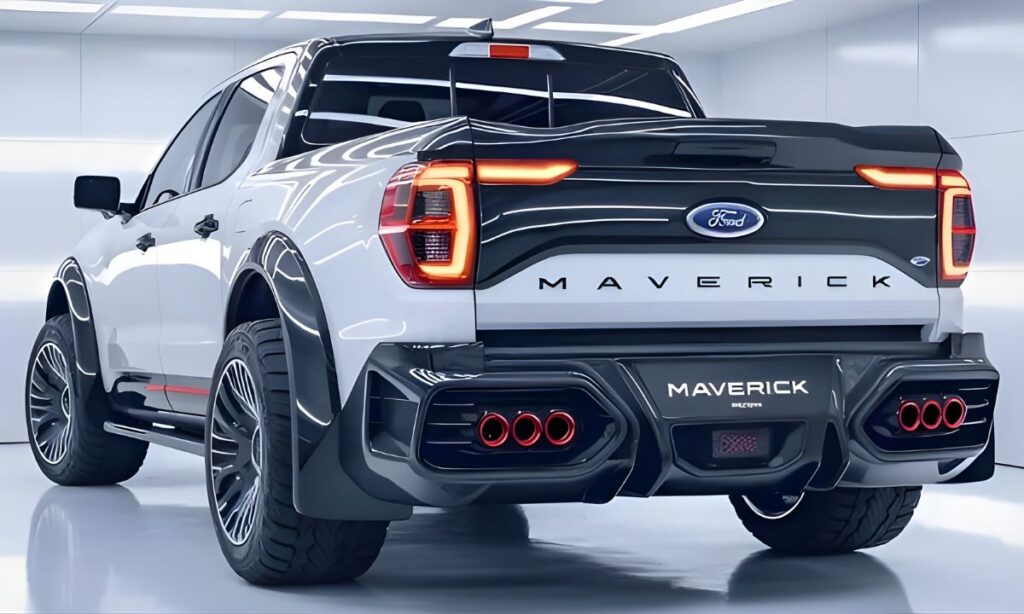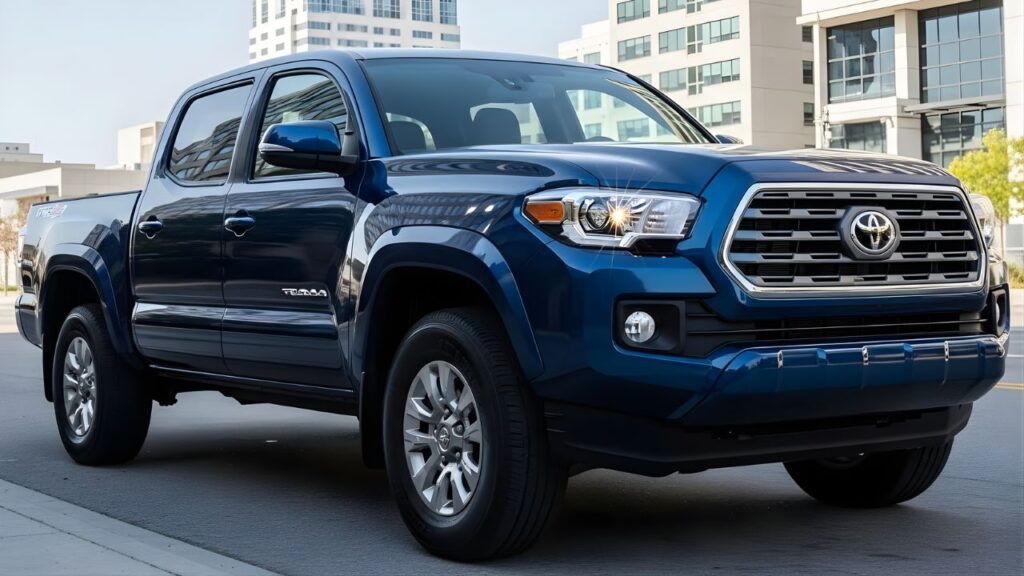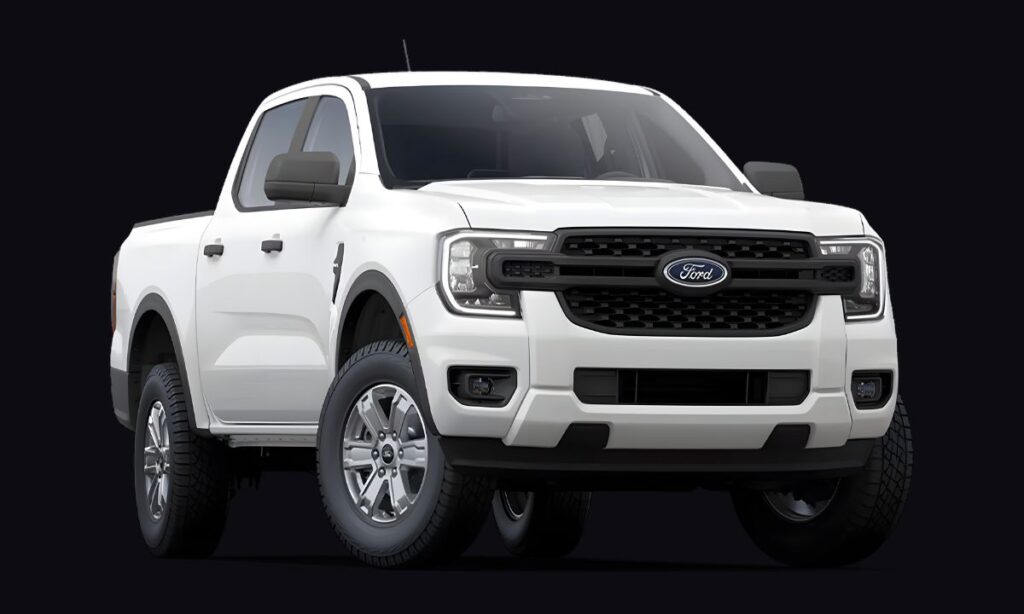
Ford Ranger 2025: The 2025 Ford Ranger is no longer a compromise between capability and drivability. It’s a focused midsize pickup that offers multiple powertrains, genuine towing capacity, and a trim ladder that lets buyers choose mission-first hardware — whether that mission is hauling heavy loads Monday through Friday or high-speed desert runs on the weekend. Below I break down exactly which Ranger to choose for which job, what numbers actually mean on the road, and configuration choices that deliver the best real-world value.
What’s new for 2025 — and why it matters
Ford refined the Ranger’s architecture rather than reinventing it. The headline wins are updated powertrain clarity, more capability in common trims, and technology aimed squarely at trailer work and fleet reliability.
Key facts to anchor decisions:
- The Ranger’s maximum tow rating rises to 7,500 lb in properly equipped configurations (non-Raptor trims).
- The Raptor keeps its performance-first setup with lower tow numbers (approx 5,510 lb) but upgraded off-road hardware and a 3.0L EcoBoost V6 option.
Why this matters: the non-Raptor Ranger is now a true tow-capable midsize truck, not a light-duty afterthought. That changes how buyers prioritize options — spend on towing packages and brakes, not just power.
Key mechanical updates (engines, Raptor changes)
- Engine hierarchy: 2.3L EcoBoost four-cylinder as the baseline, 2.7L EcoBoost V6 for heavier-duty work, and a 3.0L EcoBoost V6 focused on performance and Raptor models.
- The 3.0L Raptor package prioritizes power and suspension travel over maximum tow. If you consistently tow heavy trailers, the 2.3L/2.7L with trailer gear is the practical choice.
Tech and safety upgrades (SYNC, towing aids)
Ford continues to integrate driver-assist and trailer-focused tech (Pro Trailer Backup Assist, trailer brake controller, 360-degree camera with trailer guidance) as functional tools rather than optional niceties — a big win for buyers who tow frequently.
Engines, towing, and real-world capability (numbers you need)
Numbers are useful only when you translate them into tasks.
Engine lineup — who should pick which
- 2.3L EcoBoost (I4) — Efficient, lighter, best for mixed city/highway use and moderate towing. Good payload and fuel economy when not overloaded.
- 2.7L EcoBoost (V6) — The best all-round workhorse for owners who tow regularly and want extra torque and cooling margin. Achieves the highest advertised 7,500-lb tow when properly equipped.
- 3.0L EcoBoost (V6, Raptor) — Performance-oriented, higher horsepower; payload and tow ratings are reduced compared to work-focused trims. Choose for off-road speed and on-track capability rather than towing capacity.
- PHEV variant (Europe) — Introduced in some markets to meet emissions rules and commercial tax bands; it trades pure towing for lower CO₂ and short electric range — useful for city fleets and operators in Europe.
Towing and payload — what the specs mean at the jobsite
- Max tow 7,500 lb (when properly equipped) equals most single-axle trailers, small boat plus gear, and many light campers. That rating is achievable on the 2.3L or 2.7L with the trailer package.
- Payload up to ~1,788 lb is meaningful for contractors: two passengers plus tools, or a pair of compact modular toolboxes and a small generator. Payload varies by cab, drivetrain, and equipment.
Practical example: towing a 5,000-lb trailer with a 600-lb tongue weight leaves room within a 7,500-lb rating; still factor cargo and passengers. If you frequently approach the upper bound, choose the 2.7L with the towing package and heavy-duty cooling.
Trim strategy: pick the Ranger that fits your use
The Ranger’s trims are logically separated — work, comfort, and high-performance — and your choice should follow the intended mission.
Work-oriented builds (XL → XLT → Lariat)
- XL — Fleet and base utility: steel wheels, basic interior, easy to spec for business use. Best for fleets or owners prioritizing total cost of ownership.
- XLT — Mid-tier: useful when you want convenience (infotainment, driver aids) plus the option to add trailer packages. A high-value choice for most owner-operators.
- Lariat — Upscale comforts and advanced driver assistance; spec this if you want a daily driver that can still tow.
The Raptor’s place: high-speed desert vs daily driver
The Raptor is a focused vehicle for high-speed off-road riding and performance driving. Its suspension, tires, and powertrain are optimized for dynamic off-road use; if your primary need is max towing/payload, pick a non-Raptor trim.
Technology and towing aids that cut real effort
Ford has deliberately added tools that shorten the learning curve for towing and reduce mistakes.
Pro Trailer Backup Assist, cameras, and trailer controls
- Pro Trailer Backup Assist removes the need to counter-steer instinctively; it’s an efficiency and safety feature for those who back trailers regularly.
- Trailer brake controller and wiring options move much of the setup into dealer-fit packages; if you tow, add these at purchase — they’re cheaper and better integrated than aftermarket kits.
In-cab power and convenience: Pro Power Onboard, SYNC
- Pro Power Onboard (in selected trims/options) supplies in-cab and in-bed outlets that turn the bed into a power source for tools and campsite appliances — a pragmatic feature for contractors and weekenders.
- SYNC infotainment continues to improve with over-the-air updates and smarter phone integration; it’s optimized for hands-free trailer commands and navigation with trailers attached.
Ownership economics & reliability signals
Buying a Ranger is not just about the purchase price — consider fuel, servicing, and geopolitical production notes.
Fuel and real-world economy
- The 2.3L tends to be more frugal on day-to-day driving and is the more sensible choice if you rarely tow to the upper limits. The 2.7L gives more torque and coolant margin under sustained loads, which pays dividends for long tow trips in hilly terrain. Car-and-Driver’s testing supports the 2.7L as a strong real-world work engine.
Resale, availability, and global production notes
- Ford’s Ranger is globally sold and produced in multiple plants; however, regional tax rules and demand shifts can affect availability (notably, some production and export adjustments tied to European tax rules and plug-in hybrid demand). Buyers outside North America should be mindful of local trims and PHEV availability. Recent reporting shows Ford adjusting manufacture and exports in response to Europe regulatory shifts.
Use cases, spec recipes, and configurator recommendations (8 tactical builds)
Below are practical builds with immediate value — pick the one that matches your main mission.
Trim: PHEV (available markets); spec for light duty, lower operating cost in urban zones.
Urban Contractor (daily tools, occasional tow)
Trim: XLT Crew Cab 4×2; 2.7L; Trailer Tow Package; Pro Power Onboard; bed toolbox.
Weekend Camper (light trailer, comfort)
Trim: Lariat Crew Cab 4×2; 2.3L; convenience package; in-bed power; off-road tires optional.
Heavy Tow Daily (boat/horse trailer)
Trim: XLT/Lariat 4×2 or 4×4; 2.7L; Max Tow Package; upgraded brakes and trailer harness.
Overlanding Starter (self-reliant, off-grid)
Trim: Lariat or aftermarket build; 2.7L or 3.0L if Raptor components desired for suspension; locking rear diff.
Fleet Supervisor (low cost of ownership)
Trim: XL; 2.3L; base interior; scheduled service plan; pre-wired trailer harness.
Short-bed Utility (urban delivery, trades)
Trim: XLT; 4×2; 2.3L; secure bed storage; tonneau for weather protection.
Raptor Weekend Warrior (performance priority)
Trim: Raptor; 3.0L EcoBoost V6; performance tires and recover kit; accept reduced towing.
Municipal / EU PHEV use (city fleets, tax-advantaged zones)