The Renault 5 Turbo 3E 2027 is a bold electric performance car that blends classic rally-inspired design with modern electric technology. Built as a futuristic reinterpretation of the iconic Renault 5 Turbo, this model brings sharp styling, advanced engineering, and zero-emission driving together in one compact package. While it is not a traditional family car or mid-size sedan, it offers a fresh perspective for buyers looking for a commuter vehicle with character and strong performance.
Designed mainly as an electric performance hatchback, the Renault 5 Turbo 3E also shows how electric cars can be exciting without sacrificing daily use practicality. This review looks at its design, performance, features, and ownership considerations in a clear and balanced way. We also explore whether this car makes sense for city driving, highway performance, and long-term ownership.
Exterior Design & Styling
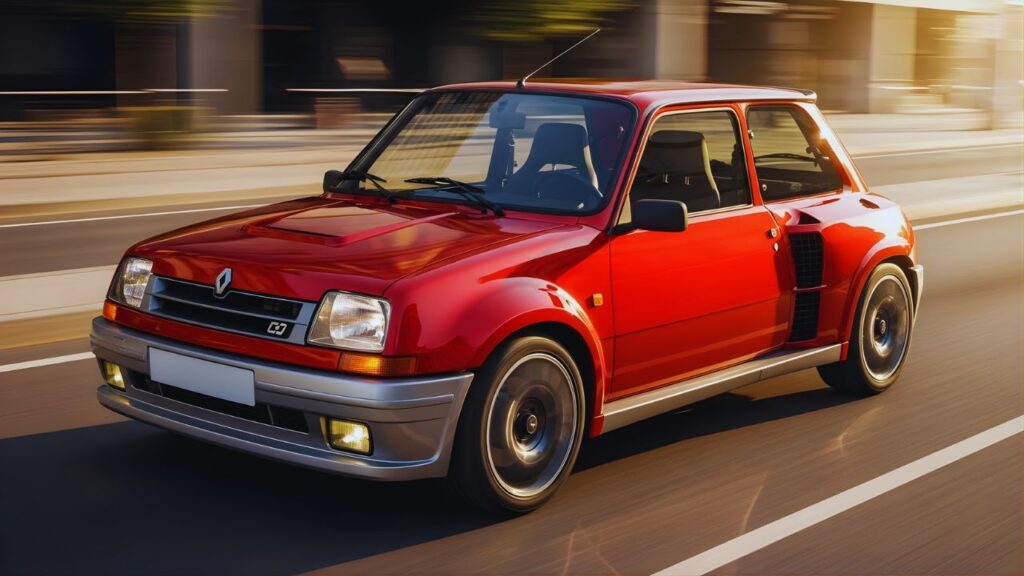
The Renault 5 Turbo 3E 2027 stands out instantly thanks to its aggressive and retro-inspired modern design. It takes cues from the original Renault 5 Turbo of the 1980s, with wide fenders, a compact body, and bold proportions. The overall look is sporty rather than subtle, which may not appeal to all buyers.
Short overhangs and a wide stance give the car a planted appearance on the road. Large alloy wheels and aerodynamic elements are not just for style but also help with highway performance and stability. The LED lighting setup adds a modern touch while improving visibility.
From a practical point of view, the low ride height and wide body can be less convenient on rough roads. Still, for urban users who value style, the design makes the Renault 5 Turbo 3E feel special every time you step out.
Interior & Cabin Space
Inside, the spacious cabin is designed with a strong focus on the driver. The layout is simple and modern, using digital displays and sporty materials. While it is not a crossover SUV or mid-size sedan, the cabin feels well-organized and thoughtfully planned.
Seating space is best suited for two adults, with limited rear accommodation. This makes it less ideal as a traditional family car, especially for buyers who need regular rear-seat use. However, front-seat driver comfort is good, with supportive seats and an ergonomic driving position.
Storage areas are limited, which may affect daily use practicality for families. Still, for single users or couples, the cabin offers enough space for everyday commuting and short trips.
Engine & Performance
The Renault 5 Turbo 3E 2027 is powered by a fully electric drivetrain, making it a zero-emission vehicle. It uses dual electric motors, delivering strong and instant acceleration. This setup focuses on performance rather than pure efficiency.
Power delivery is smooth, and the car feels quick off the line, which is useful in city driving. On highways, the electric motors provide consistent power for confident overtaking. This makes the car enjoyable for drivers who want excitement without engine noise.
However, performance-oriented tuning means this car is not optimized for relaxed family use. Buyers expecting a calm commuter vehicle experience may find it a bit firm and focused.
Fuel Economy & Mileage
As an electric car, the Renault 5 Turbo 3E does not use petrol or diesel. Instead, its efficiency is measured by battery range and energy consumption. While official figures may vary, the focus here is performance rather than being the most fuel-efficient car.
In city driving, regenerative braking helps improve efficiency. On highways, range can drop faster due to higher speeds. This is common among performance-oriented electric vehicles.
For daily commuters with access to regular charging, the range should be manageable. However, buyers looking for maximum efficiency or long-distance comfort may prefer a hybrid system or a more conventional electric hatchback.
Technology & Features
The infotainment system in the Renault 5 Turbo 3E is modern and easy to use. It includes a large touchscreen with smartphone connectivity, navigation, and vehicle settings. The digital instrument cluster provides clear driving information.
Tech features focus on driving engagement rather than luxury. Controls are simple, which helps reduce distraction during daily commutes. Voice commands and steering-mounted controls add convenience.
While it may not match premium cars in terms of luxury features, it covers essential needs well. For most users, the technology feels current and practical for everyday use.
Safety & Driver Assistance
Safety is an important consideration, even in performance-focused cars. The Renault 5 Turbo 3E 2027 is expected to offer advanced safety features such as automatic emergency braking, lane assist, and stability control. These systems help improve confidence in both city and highway conditions.
The compact size helps with maneuverability and visibility in urban traffic. Parking aids and cameras further assist daily use. However, due to its sporty nature, some advanced driver aids found in family-focused cars may be limited.
Overall, safety equipment should be adequate for daily commuting, though families may prefer vehicles with a stronger focus on rear-seat protection and comfort.
Driving Experience & Ride Quality
The driving experience is where the Renault 5 Turbo 3E truly stands out. Steering is sharp, and the car feels responsive in corners. This makes it fun to drive, especially on smooth roads.
Ride quality is firm, which helps with handling but may feel stiff on rough surfaces. For city driving, potholes and speed breakers can be noticeable. On highways, the car feels stable and confident.
This setup suits enthusiasts more than comfort-focused buyers. As a commuter vehicle, it works best for those who enjoy driving rather than those seeking a soft ride.
Pricing & Trim Levels
Pricing for the Renault 5 Turbo 3E 2027 is expected to be on the higher side due to its limited production and performance focus. It is not positioned as a competitive pricing option compared to regular electric hatchbacks.
Trim options are likely to be limited, with most features offered as standard. This simplifies the buying process but reduces customization. Maintenance costs may also be higher due to specialized components.
From a resale value perspective, its unique nature could help retain interest among collectors. However, long-term ownership costs should be considered carefully.
Competition & Rivals
The Renault 5 Turbo 3E operates in a niche segment. Its closest rivals include performance-focused electric hatchbacks and compact EVs. Compared to practical electric cars, it prioritizes style and performance.
In a rivals comparison, more conventional EVs offer better space, comfort, and efficiency. However, they lack the character and heritage-inspired design of the Renault 5 Turbo 3E.
Buyers must decide whether they value excitement over practicality. For families, mainstream electric sedans or compact SUVs remain more sensible choices.
Who Should Buy This
The Renault 5 Turbo 3E 2027 is best suited for buyers who want a unique electric car with strong personality. It works well for individuals or couples who commute daily and enjoy driving.
It is not ideal as a primary family car due to limited space and firm ride quality. Buyers focused on long-term ownership, low maintenance costs, and maximum practicality may want to look elsewhere.
However, for those seeking a stylish, fun, and modern electric vehicle, it offers a refreshing alternative.
Final Verdict
The Renault 5 Turbo 3E 2027 is a bold and unconventional electric performance car. It combines retro-inspired styling with modern electric technology, offering strong performance and engaging driving dynamics. As a daily commuter, it works best for drivers who value excitement over comfort.
While it lacks the space and comfort expected from family-focused vehicles, it compensates with character and uniqueness. Its strengths lie in design, performance, and driving enjoyment, while weaknesses include limited practicality and higher ownership costs.
For the right buyer, the Renault 5 Turbo 3E delivers a memorable driving experience. For families and comfort-oriented users, more traditional electric or hybrid options may be a better fit.