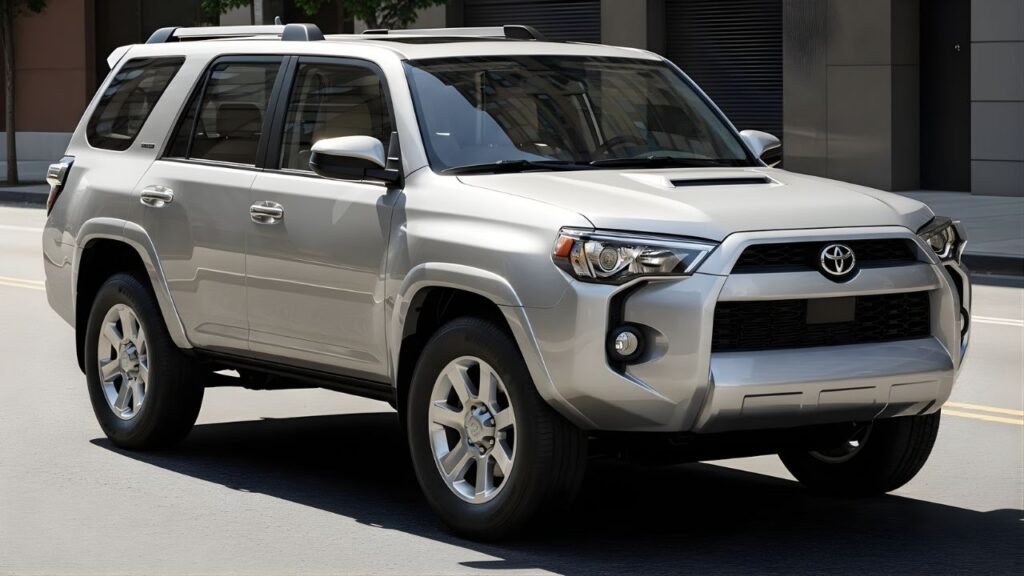
The Toyota 4Runner 2026 continues as a rugged and dependable mid-size SUV that appeals to daily commuters and family car buyers alike. Known for its durability, spacious cabin, and strong resale value, the 4Runner combines practicality with off‑road capability. This review covers the vehicle’s design, performance, comfort, technology, safety, and overall value. Whether you’re considering this SUV for city driving, highway cruising, or weekend family trips, this review offers clear, simple, and informative insights to help you decide.
Introduction
The Toyota 4Runner has a long history as a reliable and functional crossover SUV. In 2026, it remains popular with people seeking a daily use practicality vehicle that also handles outdoor adventures. Unlike some competitors with modern hybrid powertrains, the 4Runner sticks with a traditional gasoline engine, valued for reliability and robust performance. Its simple yet purposeful design is aimed at buyers who want durability over flashy tech. This review breaks down the 4Runner in easy language, focusing on what matters most for everyday commuters and families.
Exterior Design & Styling
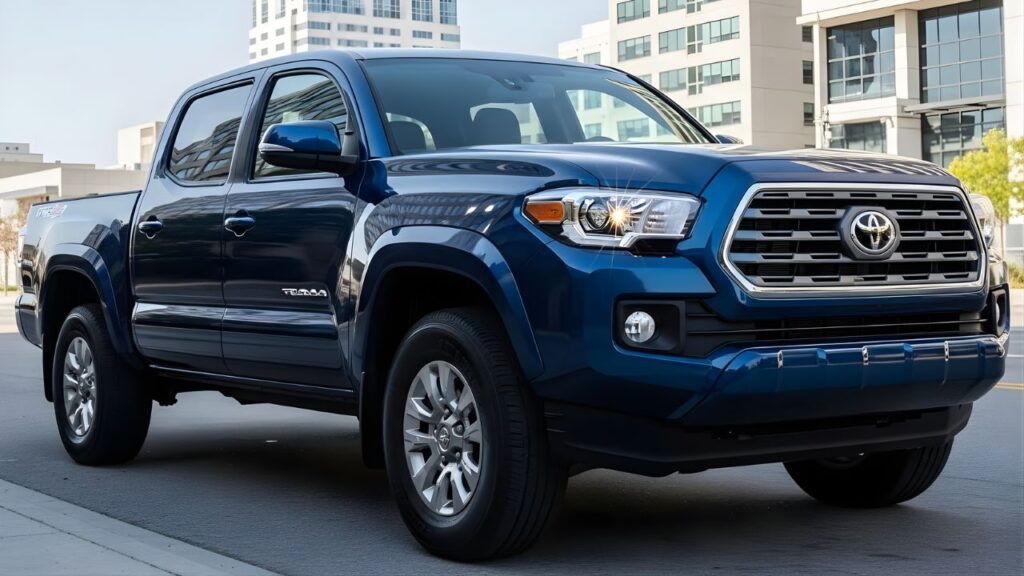
The 2026 Toyota 4Runner has a distinctive boxy shape that sets it apart from sleeker mid-size sedan‑like SUVs. Its design is more functional than trendy, with strong lines and high ground clearance. The front grille is bold but not overly aggressive, giving the SUV a practical and purposeful look. Large windows and upright stance help with visibility during city driving and highway cruising. Some may find the styling less modern than rivals, but the overall presence is classic and enduring.
Exterior features such as roof rails, skid plates, and optional off‑road tires highlight the 4Runner’s adventurous side. Wheel options vary with trim options, but most keep a rugged look rather than a luxury finish. Overall, the 4Runner’s modern design balances toughness with everyday usability.
Interior & Cabin Space
Inside, the spacious cabin of the 2026 4Runner is designed for comfort and function. Seating is supportive with ample room for adults in both front and rear seats. Families will appreciate the generous headroom and legroom, especially on longer journeys. The cargo area is generous, making it easy to carry luggage, groceries, or gear for weekend trips.
Material quality is solid and durable, though not as premium as some rivals that focus on upscale interiors. The layout of controls is intuitive, which helps reduce distractions while driving. Overall, the 4Runner’s cabin focuses on driver comfort and simple, practical use rather than luxury trim.
Engine & Performance
The 2026 Toyota 4Runner comes with a traditional gasoline engine that delivers reliable power for most driving situations. While some rival SUVs now offer hybrid systems for better fuel efficiency, the 4Runner sticks with a tried‑and‑true V6 engine. This engine provides smooth acceleration around town and confident merging on highways.
The SUV’s performance is particularly strong off‑road, thanks to features like a high‑mount air intake, robust suspension, and available 4WD. On paved roads, performance is steady and predictable, though acceleration may feel slower compared to lighter or hybrid fuel‑efficient car competitors. Still, the 4Runner’s engine suits its rugged character and long‑term maintenance costs expectations.
Fuel Economy & Mileage
One of the trade‑offs for the 4Runner’s traditional engine is fuel economy. The SUV is less efficient than many newer hybrid system competitors and some modern crossover SUV rivals. Average mileage is adequate for a vehicle of its size and capability, but daily commuters who prioritize maximum economy may find it less ideal.
In city driving, heavier weight and V6 power means the 4Runner uses more fuel than smaller vehicles. On the highway performance front, mileage improves, but still may not match the best fuel‑efficient car models. Buyers should weigh fuel costs against the benefits of the 4Runner’s durability and off‑road readiness.
Technology & Features
The interior technology in the 2026 4Runner includes a user‑friendly infotainment system with a touchscreen interface. Standard connectivity options typically include Apple CarPlay and Android Auto, making it easy to sync smartphones for navigation and media. USB ports and Bluetooth add convenience for all occupants.
Available tech features may include premium audio, navigation, and additional USB outlets for passengers. While the system lacks some cutting‑edge graphical polish seen in rival SUVs, it performs well for most users. The 4Runner’s tech package aims for function over flair, helping drivers stay connected without unnecessary complexity.
Safety & Driver Assistance
Safety is a key consideration for family buyers, and the 2026 4Runner comes with a range of advanced safety features. Standard systems often include automatic emergency braking, lane departure alert, adaptive cruise control, and blind‑spot monitoring. These features help reduce stress during both city driving and highway journeys.
Crash safety ratings for the 4Runner are generally solid, reflecting Toyota’s commitment to occupant protection. Higher trim levels may add more driver assistance technology for added confidence on the road. Overall, the 4Runner offers a good balance of safety & driver assistance features for a reliable family SUV.
Driving Experience & Ride Quality
The driving experience in the Toyota 4Runner feels stable and confident, especially on rough or uneven roads. Suspension tuning leans toward comfort without sacrificing capability, making it suitable for daily commuting as well as weekend travel. Some may notice a firmer ride compared to softer‑suspension crossovers, but this firmness contributes to off‑road readiness and stability.
Handling is predictable, though not sporty, and visibility is excellent from the driver’s seat. On highways, the 4Runner feels planted and secure, though wind noise can be more noticeable than in quieter sedans or fuel‑efficient car alternatives. Overall, the ride quality balances comfort and capability for a broad range of driving situations.
Pricing & Trim Levels
The 2026 Toyota 4Runner is offered in multiple trim options to suit different needs and budgets. Entry‑level trims provide essential features and strong reliability at a competitive price point. Mid‑level trims add features like enhanced tech, upgraded wheels, and improved comfort. The top trims focus on off‑road equipment or luxury touches depending on what buyers prioritize.
Competitive pricing helps the 4Runner remain attractive compared to both traditional SUVs and newer hybrids. When considering maintenance costs, Toyota’s reputation for longevity adds value over time. Buyers should carefully consider which trim best fits their intended use, whether prioritizing daily commuting ease or outdoor capability.
Competition & Rivals
In the rivals comparison, the Toyota 4Runner goes up against both traditional SUVs and newer crossover SUV models. Competitors may include the Jeep Wrangler, Ford Bronco, Honda Passport, and Subaru Outback. Each rival has strengths: some offer more modern interior tech, others better fuel economy or hybrid options.
For buyers focused on off‑road prowess and durability, the 4Runner stands strong. For those prioritizing fuel‑efficient car credentials or softer ride comfort, alternatives like Subaru or hybrid SUVs may be more attractive. Each rival brings unique benefits to the table, so prospective buyers should look at features and performance that matter most for their lifestyle.
Who Should Buy This
The Toyota 4Runner is best suited for buyers who want a family car or commuter vehicle with strong reliability, a spacious cabin, and serious capability for adventure. If your priorities include long‑term ownership, strong resale value, and rugged performance, the 4Runner is a solid choice. It also works well for families needing room for passengers and cargo without complexity.
However, if your main focus is maximum fuel economy or cutting‑edge hybrid technology, other SUVs may fit better. Likewise, buyers seeking a softer, more refined ride like that of a mid‑size sedan might prefer a different type of vehicle. The 4Runner is ideal for those who value real‑world practicality and versatility over premium luxury or ultra‑efficient operation.
Final Verdict
The Toyota 4Runner 2026 is a dependable and practical mid‑size SUV that serves both daily commuters and adventurous families well. Its blend of rugged design, reliable performance, and useful technology makes it a strong choice for everyday use and long‑term ownership. While its fuel economy isn’t the highest in class and interior tech is straightforward rather than flashy, the 4Runner excels in areas that matter most for many buyers: durability, comfort, safety, and utility.
For buyers seeking a competitive pricing SUV that handles city streets and rough roads with confidence, the 4Runner earns its place in the market. Its strengths in reliability, advanced safety features, and resale value make it a practical and informed choice for daily use and family travel. If these qualities align with your needs, the Toyota 4Runner remains a worthy candidate in the SUV landscape.